CAMERA TUNING · DECISION WORKBENCH

Start with the customer problem.
Design a production-ready image-quality path.

Select the priority image-quality outcome and product type to see the matching capability, validation focus, and delivery recommendation.

ENGAGEMENT
ODM package / OEM engineering support / Proprietary algorithms
PRODUCTS
Smartphones / Tablets / IoT imaging devices
AEAWBISPHALBSPAP

START WITH CUSTOMER NEEDS

Understand the product problem first. Then decide how every parameter should move.

Customers do not need a parameter set.
They need product competitiveness delivered on schedule.

We place positioning, target users, priority scenes, hardware cost, and production milestones on one requirement map before defining image-quality priorities and the technical path.

NEED / 01

CUSTOMER OUTCOME

Subjects stay clear through backlight, low light, and motion without distracting brightness changes.

Work from target brightness, convergence speed, metering regions, and HDR fusion, then separate face, sky, highlight, and motion acceptance scenes.

Capability
AE · HDR · Face Priority
Validation
Convergence · Highlights · Flicker
Start With
Golden samples + scene baseline

TUNING CAPABILITY MATRIX

Converging image quality from exposure to texture.

Each module has its own target, but every result must work inside the complete device pipeline. Issue lists, version baselines, and test evidence drive convergence.

01
AE

Auto Exposure

Exposure convergence, backlit subjects, HDR, highlight protection, low light, and stable scene transitions.

  • Target Brightness
  • Dynamic Range
  • Scene Strategy
02
AWB

Auto White Balance

Complex illuminant recognition, mixed color temperature, neutral recovery, skin tones, and multi-camera consistency.

  • Temperature
  • Skin Tone
  • Consistency
03
ISP

Image Signal Processing

A complete balance of denoise, sharpening, texture, color, contrast, and low-light behavior.

  • Noise
  • Texture
  • Color
04
SW

Camera Software

HAL adaptation, BSP driver migration, AP framework integration, and software-side diagnosis of tuning issues.

  • HAL
  • BSP
  • AP

PRODUCT LINES

One imaging pipeline, adapted to different products and use cases.

We translate product positioning, hardware constraints, and operating environments into different image-quality priorities and delivery plans.

01 / MULTI-BRAND SMARTPHONE PROGRAMS

Multi-Brand Smartphone Programs

Full-camera tuning for main, ultra-wide, front, and auxiliary cameras across portrait, night, HDR, video, multi-camera consistency, and production regression.

Program experience includes Redmi Note, HONOR, vivo, TECNO / Infinix, ZTE, LAVA, TCL, MOTO, and other product lines.

  • Multi-CameraExposure, color, and texture
  • Portrait and SkinBacklight, indoor, and night
  • Video StabilityTransitions, convergence, flicker
  • Production RegressionModule and release matrix

DEMONSTRATION SAMPLES

See the image-quality change behind the parameters.

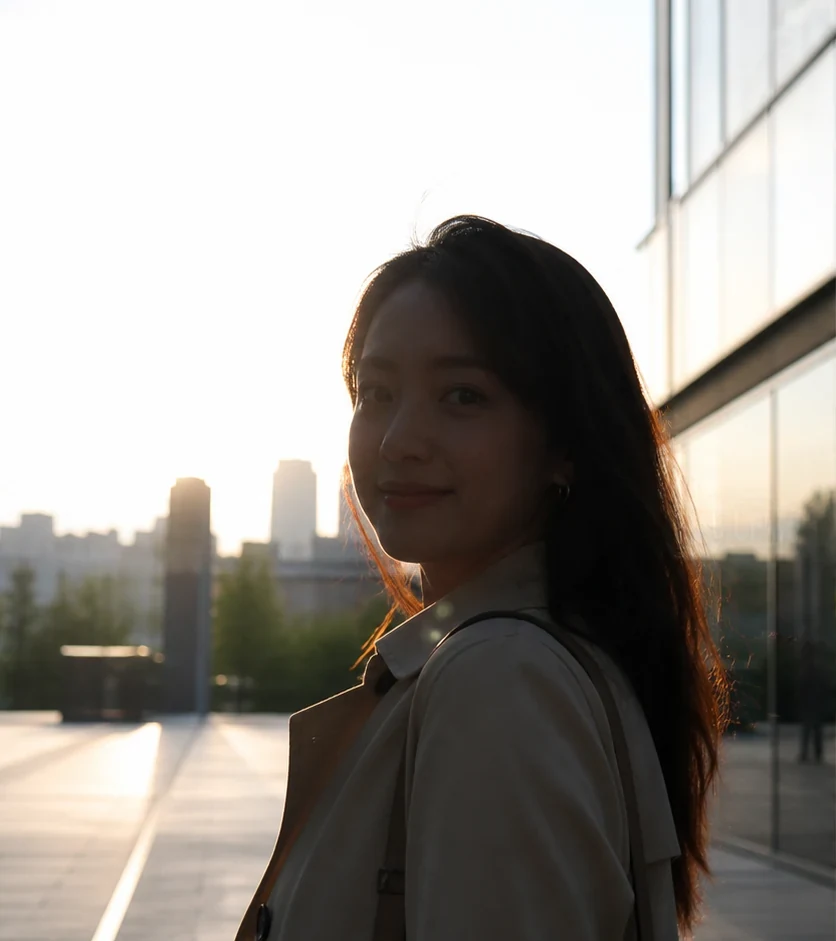
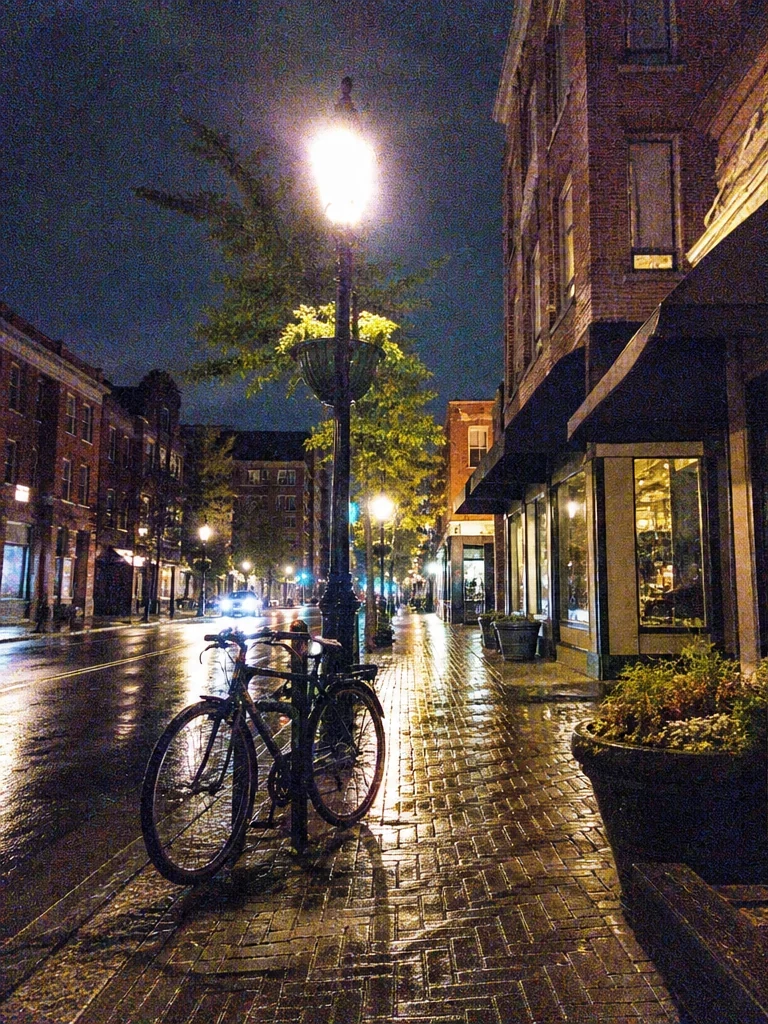
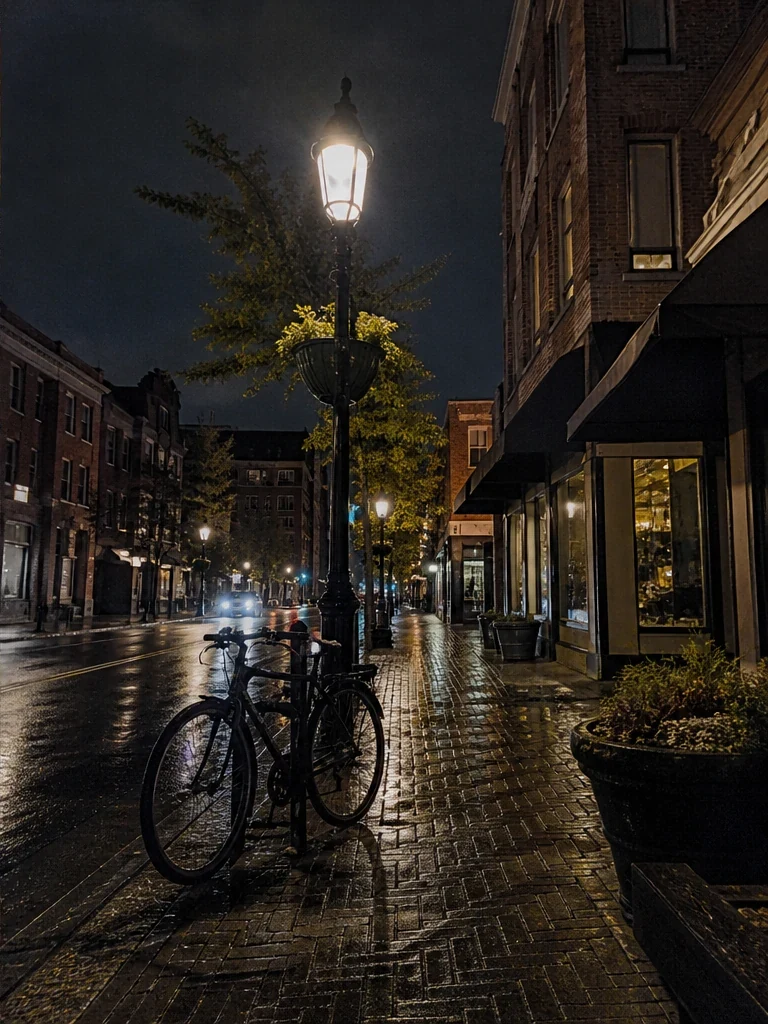
AI-generated demonstration samples · Not customer projectsThese images illustrate typical tuning directions. They do not represent a specific device, customer, or final production result.

Before tuning: an underexposed backlit portrait with clipped highlightsAfter tuning: balanced subject exposure and preserved highlight detailBefore Tuning
01 / AE + HDRBACKLIGHT

Backlit Subject and Highlight Protection

Target: lift subject brightness while preserving the exterior view and natural skin tone.

Before tuning: a mixed-light scene with a yellow-green castAfter tuning: neutral objects and natural color under mixed lightBefore Tuning
02 / AWBMIXED LIGHT

Mixed-Light White Balance and Color

Target: remove yellow-green casts, stabilize neutrals, and retain the atmosphere of the light source.

Before tuning: a noisy night scene with oversharpening and clipped lightsAfter tuning: lower noise, natural texture, and controlled highlightsBefore Tuning
03 / ISPNIGHT SCENE

Low-Light Noise and Texture Balance

Target: reduce chroma noise and oversharpening while preserving texture and controlling bright signs.

PLATFORM EXPERIENCE

Major chip platforms, adapted to different product pipelines.

The team has experience with Qualcomm, MediaTek, Unisoc, and Rockchip platforms and defines tuning plans around the sensor, module, algorithm stack, and product positioning.

QQualcommMobile platforms
MMediaTekMobile and IoT
UUnisocMobile platforms
RRockchipTablet and IoT

DELIVERY SYSTEM

Research, development, testing, and delivery—each stage has an accountable owner.

Project managers control cadence, technical leads address critical risks, and engineers and testers converge parameters through version regression.

  1. 01

    Target and Baseline

    Confirm the platform, module, product position, scene priority, and acceptance method.

  2. 02

    Scenes and Parameters

    Build the issue list, tune by module, and record version differences and impact.

  3. 03

    Testing and Regression

    Combine laboratory tests, real-scene samples, and software validation.

  4. 04

    Release and Production

    Freeze milestone versions, complete reviews, and close production issues.

Production experience includes Redmi Note, HONOR, vivo, TECNO / Infinix, ZTE, LAVA, TCL, MOTO, and other programs.

17Mass-Produced Models
~200MCumulative Shipments

DEFINE YOUR IMAGE QUALITY

Start with a specific issue—or simply an image-quality target.

Share the product type, chipset, sensor configuration, project stage, and current issues. We will assess scope, staffing, and delivery planning.

Send Project Requirements